
When a bit of extra income means a tax return, and when £1,000 keeps you out of one
Selling crafts, doing odd jobs or letting a driveway can all count as income. The £1,000 trading allowance and the £1,000 property allowance decide whether HMRC needs to hear about it, and the 5 October and 31 January dates decide when.
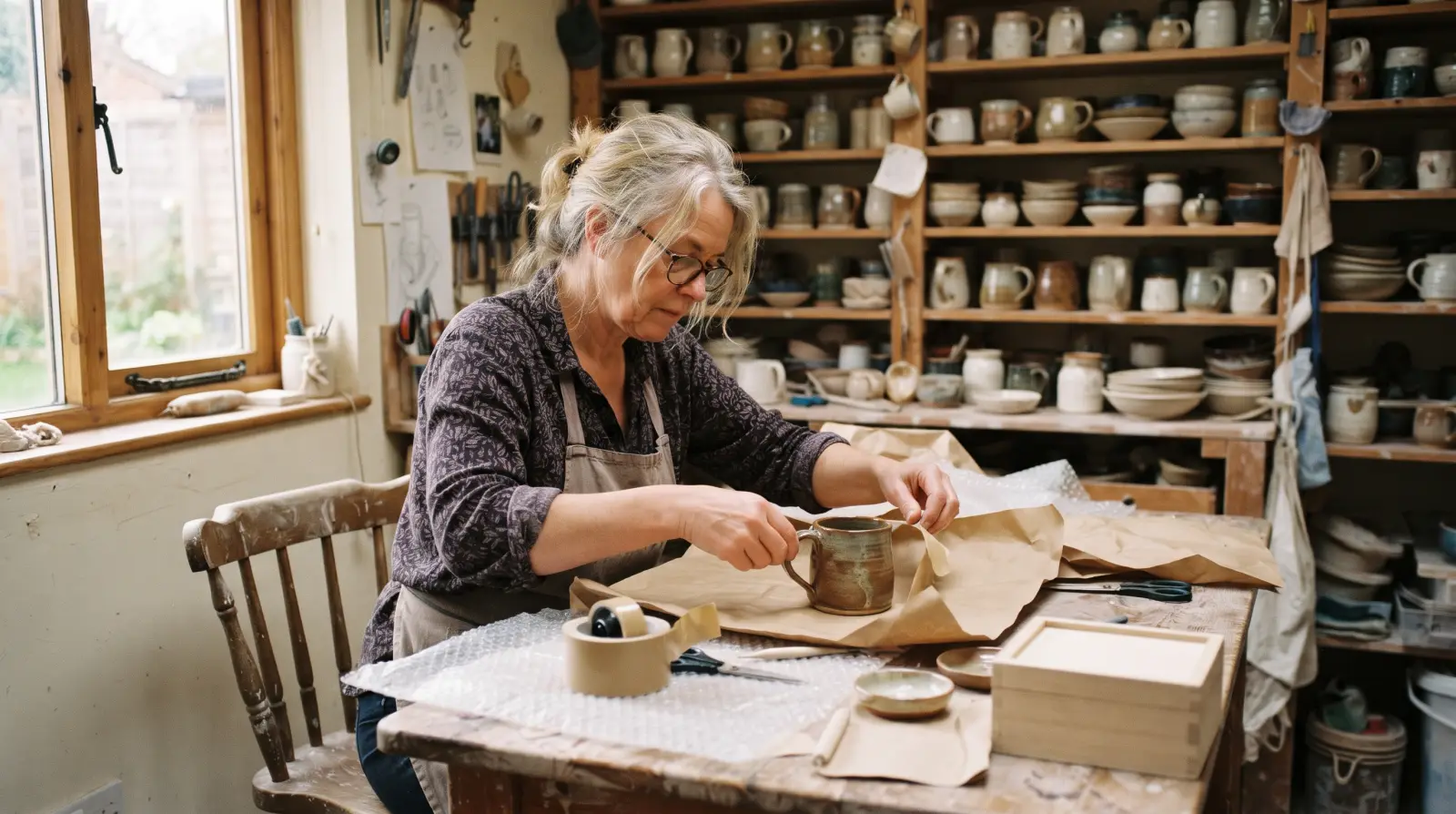
A stall at the Christmas fair, a few gardening jobs for neighbours, a driveway let to commuters. Plenty of people earn a little money on the side without ever thinking of it as a business. HMRC may see it differently, but there is a generous threshold before it needs to know.
Since April 2017 individuals have had two separate tax-free allowances of up to £1,000 a year each: a trading allowance for small amounts of self-employed or casual income, and a property allowance for small amounts of income from land or property. Used properly, they keep many small earners out of Self Assessment altogether. Used wrongly, they can mean a missed deadline and a penalty.
 In short
- Gross trading income of £1,000 or less in a tax year normally does not need to be reported.
- Above £1,000 you register for Self Assessment, and can deduct either the £1,000 allowance or your actual expenses.
- For 2025/26, registration is due by 5 October 2026 and the online return by 31 January 2027.
Who has to send a tax return at all
Most employees and pensioners pay all their tax through PAYE and never file a return. HMRC says you must send one if, in the last tax year, any of these applied:
- you were self-employed as a sole trader and earned more than £1,000, before deducting anything you can claim relief on;
- you were a partner in a business partnership;
- you had to pay Capital Gains Tax on something you sold or gave away;
- you had to pay the High Income Child Benefit Charge and do not pay it through PAYE;
- you are an off-payroll worker repaying a student or postgraduate loan.
You may also need to file if you have other untaxed income, such as rent, tips and commission, foreign income, or savings interest and dividends above your allowances. HMRC can also simply write and ask you to file, in which case you must do so by the date on the letter.
What the trading allowance covers
The trading allowance applies to income from self-employment, casual services such as babysitting or odd jobs, and hiring out personal equipment. If your gross income from these sources in a tax year is £1,000 or less, you do not need to tell HMRC, unless you cannot use the allowance for one of the reasons below or you have to register for Self Assessment anyway.
The word gross matters. The test is what customers paid you, not what was left after materials and postage. Someone who takes £1,200 in sales but spends £500 on materials has gone over the threshold even though their profit is £700.
There is a useful distinction, too. Clearing out your own unwanted possessions is not normally trading. Making things to sell, or buying goods in order to resell them, usually is.
Allowance or expenses: choosing once you are over £1,000
When gross income is above £1,000, you can either deduct the £1,000 allowance from your takings or deduct your actual allowable expenses. You cannot do both. If your real costs are low, the allowance usually gives the smaller taxable profit; if they are high, claiming expenses usually does.
 Worked example · illustrative only
| Side income in a year | Gross takings | Real costs | Taxable using allowance | Taxable using costs |
|---|---|---|---|---|
| A: occasional craft sales | £850 | £200 | Covered, no need to report | |
| B: gardening jobs | £2,400 | £300 | £1,400 | £2,100 |
| C: pottery with a kiln to run | £2,400 | £1,600 | £1,400 | £800 |
Invented figures. B would normally choose the allowance and C the actual costs. For a basic-rate taxpayer with an employment or pension income already using the Personal Allowance, tax at 20% would be £280 for B and £160 for C, before any National Insurance.
The property allowance works the same way
The property allowance covers up to £1,000 of gross income from land or property, such as letting a parking space, a garage or a field, or the occasional short let. Joint owners each get their own allowance against their share. If gross property income is £1,000 or less you do not need to tell HMRC. HMRC's allowance guidance says that between £1,000 and £2,500 you should contact it, and above £2,500 you register for Self Assessment.
The property allowance cannot be used on income from letting a room in your own home under the Rent a Room Scheme, which has its own, much larger limit. We explain that scheme in our article on lodgers.
When the allowances cannot be used
You cannot use either allowance for income from a company you or a related person control, from a partnership you or a related person are in, or from your own employer or your spouse's or civil partner's employer. The trading allowance does not apply to partnership income at all, and the property allowance cannot be combined with finance cost relief such as mortgage interest on a residential let.
The dates that matter for 2025/26
| What | Deadline |
|---|---|
| Register for Self Assessment if you have not filed before | 5 October 2026 |
| Paper tax return | 31 October 2026 |
| Online return, if you want what you owe collected through your tax code | 30 December 2026 |
| Online tax return | 31 January 2027 |
| Pay the tax you owe | 31 January 2027 |
Source: GOV.UK, Self Assessment deadlines for the tax year 6 April 2025 to 5 April 2026.
A late return attracts an initial £100 penalty, even if no tax is owed. After three months, £10 a day is added up to £900, then further penalties of 5% of the tax due or £300, whichever is greater, at six and twelve months. Late payment brings its own 5% penalties and interest.
Making Tax Digital is arriving for bigger side incomes
Since 6 April 2026, sole traders and landlords whose qualifying income from self-employment and property was over £50,000 in 2024/25 have had to keep digital records and send quarterly updates under Making Tax Digital for Income Tax. The threshold falls to £30,000 from April 2027 and £20,000 from April 2028, based on earlier years' returns. HMRC writes to people who need to join.
Who this matters for, and what to check
This matters for anyone with a hobby that has started to pay, retired people doing paid odd jobs, and households letting a space they do not use. Keep a simple record of what you are paid and when, even if you think you are under £1,000, so you can show it if asked. If your side income pushes your total near a tax band, our article on frozen thresholds explains why that line is easier to cross each year. And if you sell an asset at a gain, the Capital Gains Tax allowance is a separate test.
The takeaway
For small, genuine side earnings, the two £1,000 allowances mean HMRC often needs to hear nothing at all. Above that, the rules are manageable: register by 5 October, file by 31 January, and choose whichever deduction gives the fairer result. HMRC's online checker on GOV.UK tells you whether you need to file, and it is free to use.
 Official sources
General information, not advice
This article is sponsored information from OST Consulting OÜ, the publisher of Ichslta (company details). Ichslta is a private website. It is not published by, or affiliated with, HM Revenue & Customs, the Department for Work and Pensions, GOV.UK, any council or any other government body. It is general information, not personal tax, legal or financial advice, and it does not recommend any product or provider.
Figures are the official rates for the year stated or clearly labelled illustrations; what any one person pays, receives or can claim depends on their own circumstances. Rates and thresholds can change, including at the Autumn Budget on 28 October 2026. This site processes no applications and charges no fees. Never give your National Insurance number, bank details or Government Gateway or GOV.UK One Login details to a website in response to an article. For your own position, use GOV.UK or contact the organisation concerned directly.
 Free, every Friday
The Friday Sheet: one page on what changed for your money this week.
Tax, savings, bills and family money in the UK, with the official source for every figure. Nothing to buy.
We email a confirmation link first; you are only added once you click it. Unsubscribe whenever you like.
 Household bills