
Why the first £7,500 from a lodger can be tax-free
The Rent a Room Scheme lets homeowners and tenants receive up to £7,500 a year from a lodger in furnished accommodation without paying tax on it. What counts towards the limit, when it halves to £3,750, and when opting out is the better choice.
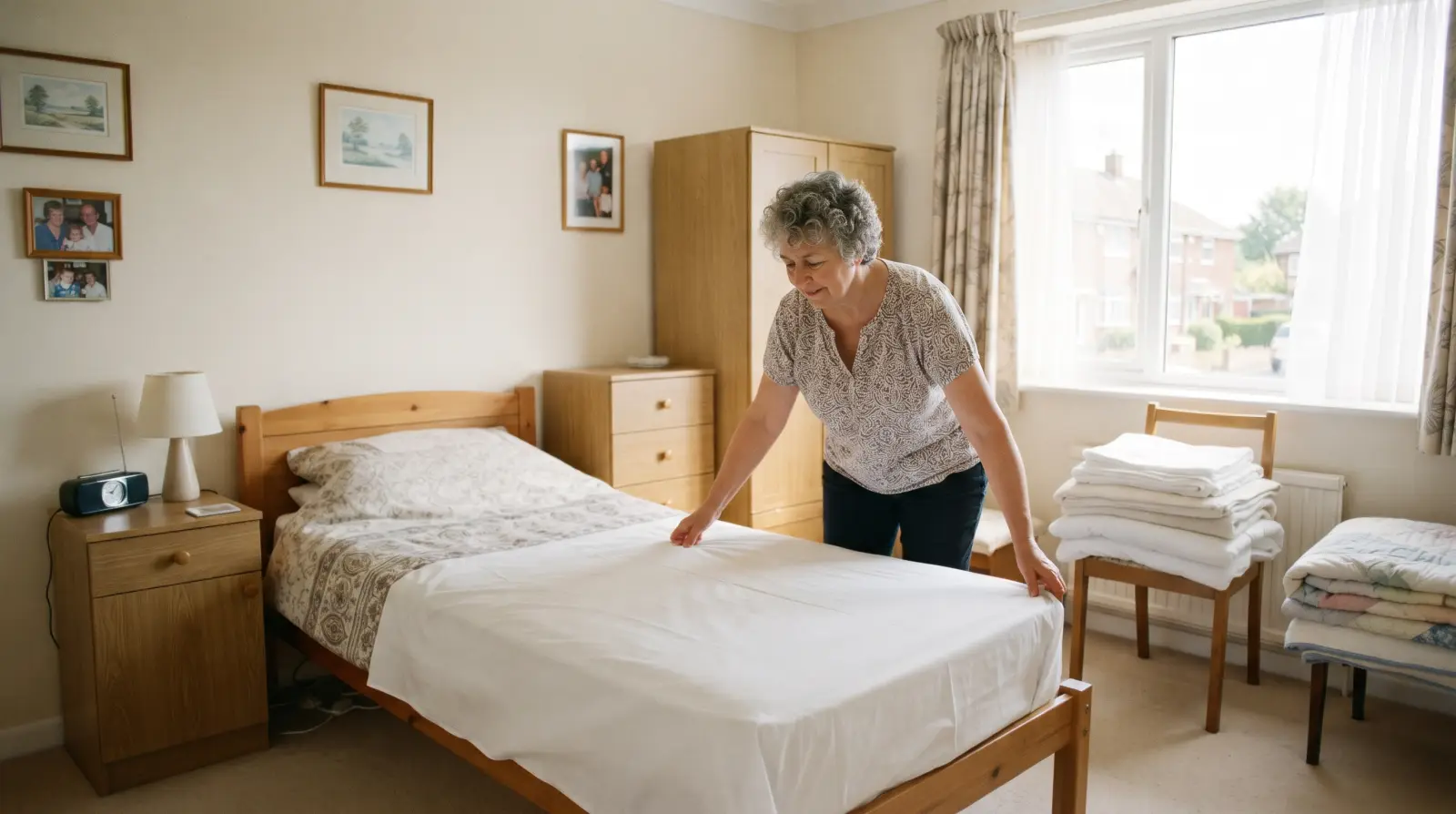
A spare bedroom that stays empty most of the year is one of the few assets in a home that can earn money without anyone moving out. For lodgers, the tax rules are unusually kind, provided the arrangement fits the scheme.
The Rent a Room Scheme lets you receive up to £7,500 a year tax-free from letting furnished accommodation in your own home. Below that figure the exemption is automatic, with no form to fill in. Above it, you choose between two ways of being taxed, and the right choice can make a large difference. This guide sets out how the limit works, what counts towards it and the points people tend to overlook.
 In short
- Up to £7,500 a year from a lodger in furnished accommodation in your home is tax-free, or £3,750 if someone else also receives income from letting in the same property.
- Rent plus charges for meals, cleaning or laundry all count towards the limit.
- Owners and tenants can both use it, but not for a home converted into separate flats.
Who can use the scheme
The scheme is for resident landlords: people who let furnished accommodation in the home they live in. HMRC is explicit that you can use it whether or not you own your home, so a tenant with a lodger can qualify as well as an owner. You can let as much of your home as you want. Bed and breakfast and guest house operators can also use it.
It does not apply to a home that has been converted into separate flats, and it is not for unfurnished lets or for property you do not live in. Tenants should check that their tenancy agreement allows a lodger, and owners with a mortgage or buildings insurance should tell the lender or insurer; those are contractual points rather than tax rules, but they matter.
What counts towards the £7,500
The limit is measured on gross receipts, not profit. HMRC's helpsheet HS223 says that, as well as rent, you include any money you receive for meals, goods and services such as cleaning or laundry. A lodger paying £550 a month in rent and £100 a month towards meals is paying £7,800 a year as far as the scheme is concerned, which is over the limit.
Receipts are counted over the tax year from 6 April to 5 April, not over the length of a particular tenancy.
When the limit halves to £3,750
The limit is per property, not per person. If someone else also receives income from letting accommodation in the same property, such as a joint owner or a partner sharing the rent, the limit is halved to £3,750 for each of you. Two people sharing a lodger's rent therefore have the same £7,500 between them, not £7,500 each.
Above the limit: two ways to be taxed
If your receipts go over the limit, you must complete a Self Assessment tax return. You then choose between:
- The normal method. You opt out of the scheme and pay tax on your actual profit: receipts minus allowable expenses. HMRC applies this unless you choose otherwise.
- The Rent a Room method. You pay tax on the amount by which your receipts exceed £7,500 (or £3,750), but you cannot deduct any expenses.
The election, or a change between methods, must reach HMRC within one year of the 31 January following the end of the tax year. For 2025/26, that means by 31 January 2028.
 Worked example · illustrative only
| Situation | Receipts | Expenses | Taxable, normal method | Taxable, Rent a Room |
|---|---|---|---|---|
| Lodger at £600 a month, sole owner | £7,200 | £1,100 | £6,100 | £0 |
| Lodger at £700 a month, sole owner | £8,400 | £1,500 | £6,900 | £900 |
| Same lodger, income shared equally by two owners (each) | £4,200 | £750 | £3,450 | £450 |
Invented figures. Expenses are things such as extra utilities, insurance and wear and tear. In the second row, a basic-rate taxpayer would pay £180 at 20% under the Rent a Room method. Your own figures will differ.
In most ordinary lodger arrangements, real costs are well below £7,500, so the Rent a Room method usually gives the lower bill. The normal method can win if expenses are unusually high, or if letting produces a loss you want to record.
Why the scheme is worth more from April 2027
The Budget of November 2025 set out higher Income Tax rates for property income from 6 April 2027: 22% in the basic band, 42% in the higher band and 47% at the additional rate. Income covered by the Rent a Room exemption is not taxed at all, so the exemption becomes slightly more valuable once those rates apply. Lodger income that is taxable also counts towards your total income, which can push part of it into a higher band; our article on frozen thresholds explains why that line is closer than it used to be.
Effects beyond Income Tax
- Capital Gains Tax on your home. HMRC's guidance on selling a home states that a lodger does not count as letting part of it out, so having one does not by itself affect Private Residence Relief. Our guide to the Capital Gains Tax allowance covers the wider rules.
- Council Tax. If you live alone and receive the 25% single person discount, an adult lodger normally ends it, because two adults now live there. See our Council Tax article.
- The £1,000 property allowance cannot be used on income from letting a room under this scheme. The two are separate, as we explain in our guide to small side incomes.
- Benefits. If you receive means-tested benefits, income from a lodger may be treated differently from how it is taxed. Check with the benefit office before you start.
Who this matters for, and what to check
The scheme suits people whose children have left home, couples who want help with rising costs and single homeowners with a room to spare. Before taking in a lodger, add up the full amount you will receive in a tax year, including meals or cleaning; check whether anyone else shares the income; and keep a record of receipts and costs so you can compare the two methods if you go over the limit.
The takeaway
For most lodger arrangements the tax position is simple: stay under £7,500 of total receipts and there is nothing to report. Go over it, and the Rent a Room method often taxes only the excess. The details, including helpsheet HS223, are free on GOV.UK.
 Official sources
General information, not advice
This article is sponsored information from OST Consulting OÜ, the publisher of Ichslta (company details). Ichslta is a private website. It is not published by, or affiliated with, HM Revenue & Customs, the Department for Work and Pensions, GOV.UK, any council or any other government body. It is general information, not personal tax, legal or financial advice, and it does not recommend any product or provider.
Figures are the official rates for the year stated or clearly labelled illustrations; what any one person pays, receives or can claim depends on their own circumstances. Rates and thresholds can change, including at the Autumn Budget on 28 October 2026. This site processes no applications and charges no fees. Never give your National Insurance number, bank details or Government Gateway or GOV.UK One Login details to a website in response to an article. For your own position, use GOV.UK or contact the organisation concerned directly.
 Free, every Friday
The Friday Sheet: one page on what changed for your money this week.
Tax, savings, bills and family money in the UK, with the official source for every figure. Nothing to buy.
We email a confirmation link first; you are only added once you click it. Unsubscribe whenever you like.
 Savings & investments